Los servicios formativos ofrecidos en esta web tienen, exclusivamente, fines didácticos como formación no reglada al amparo de la normativa vigente. La formación que se ofrece a través de esta web no conduce a la obtención de ningún título oficial ni faculta a sus alumnos a prestar ningún tipo de servicio sanitario convencional.
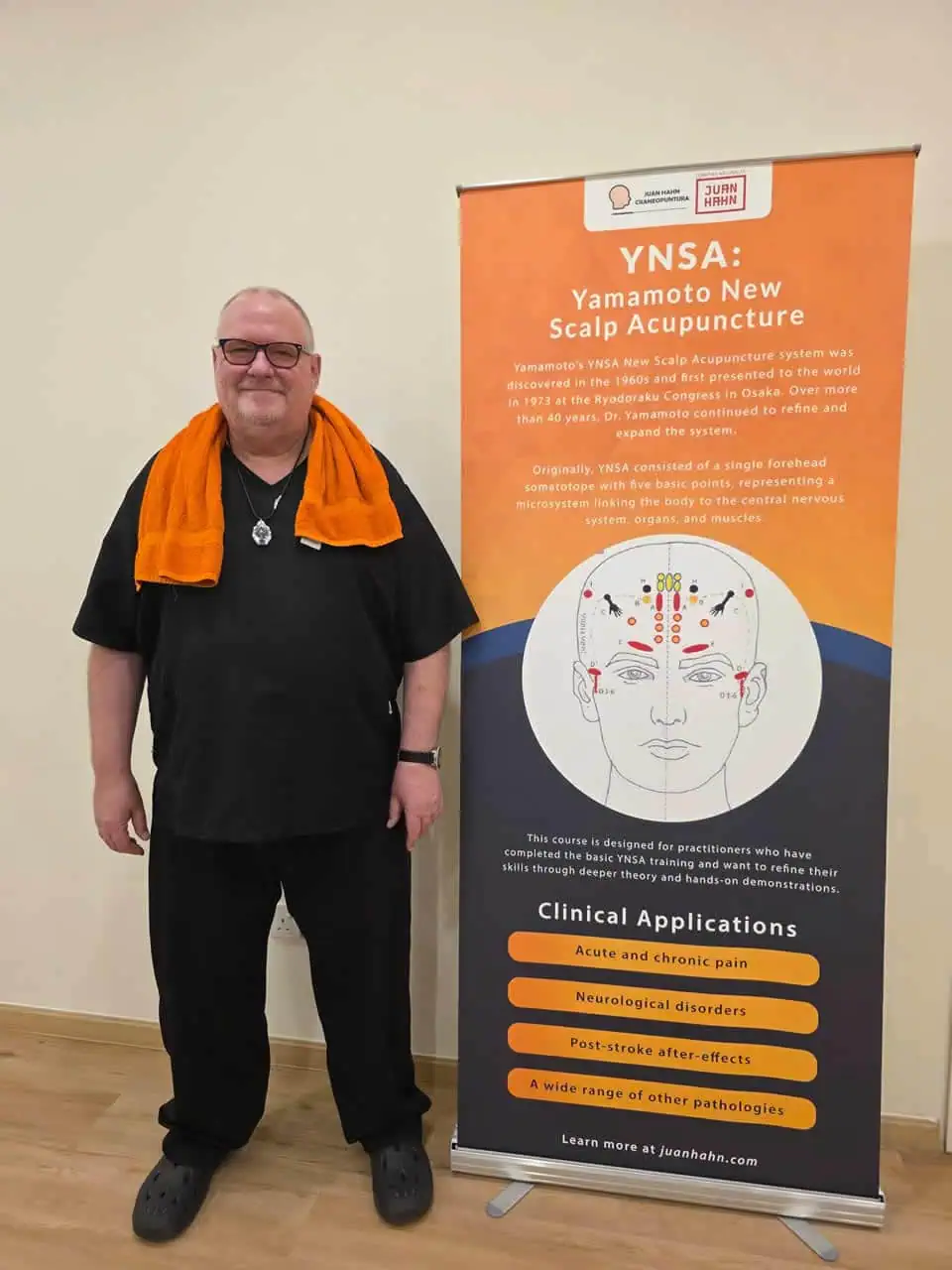
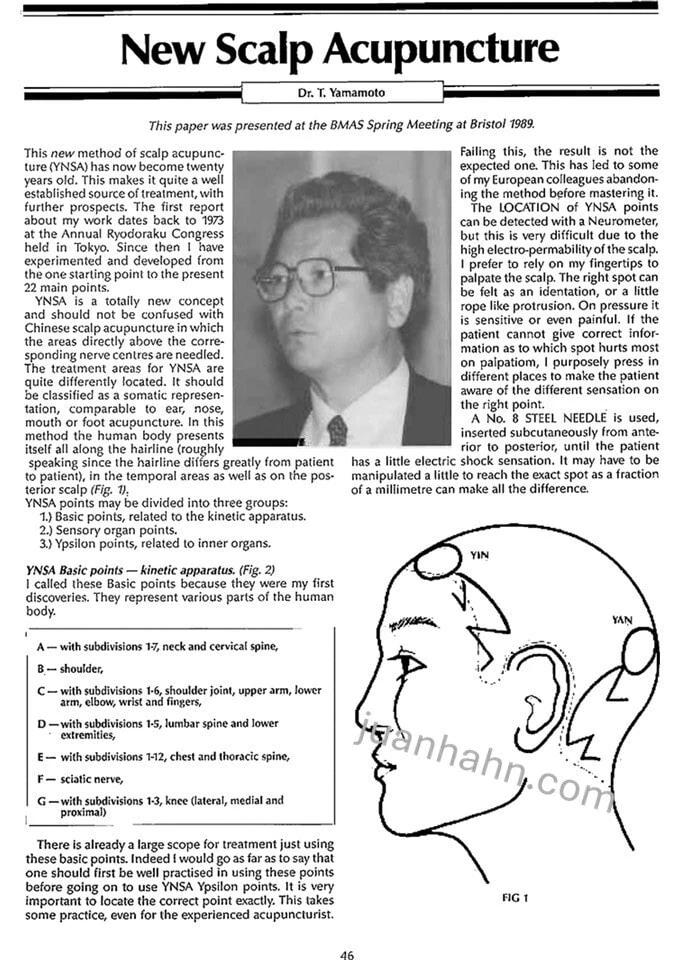
This method was discovered in the 1960s and first presented in 1973 at the Ryodoraku Congress in Osaka. Since then, and over more than fifty years, Dr. Yamamoto has continuously worked on its development, expansion, and refinement.
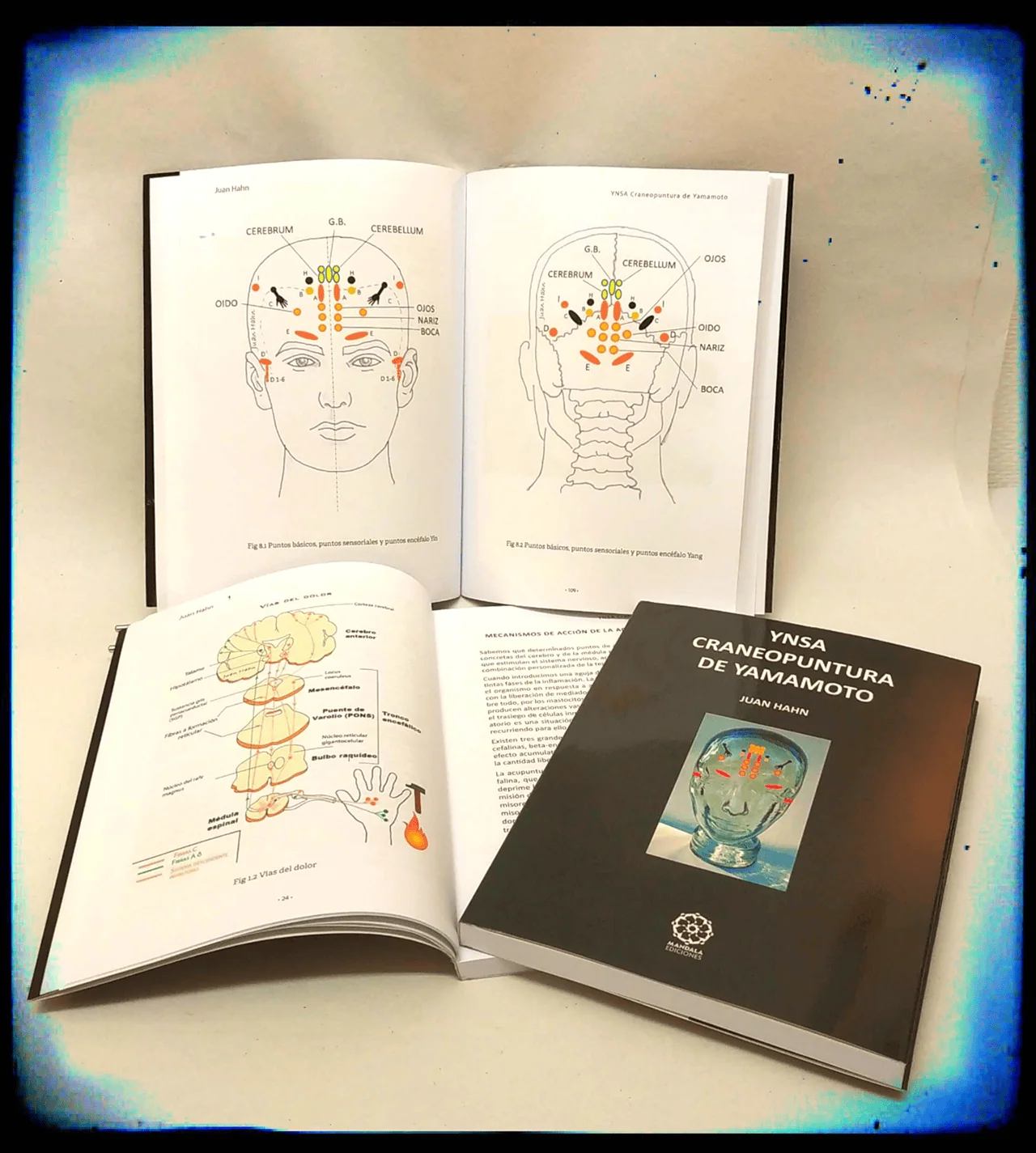
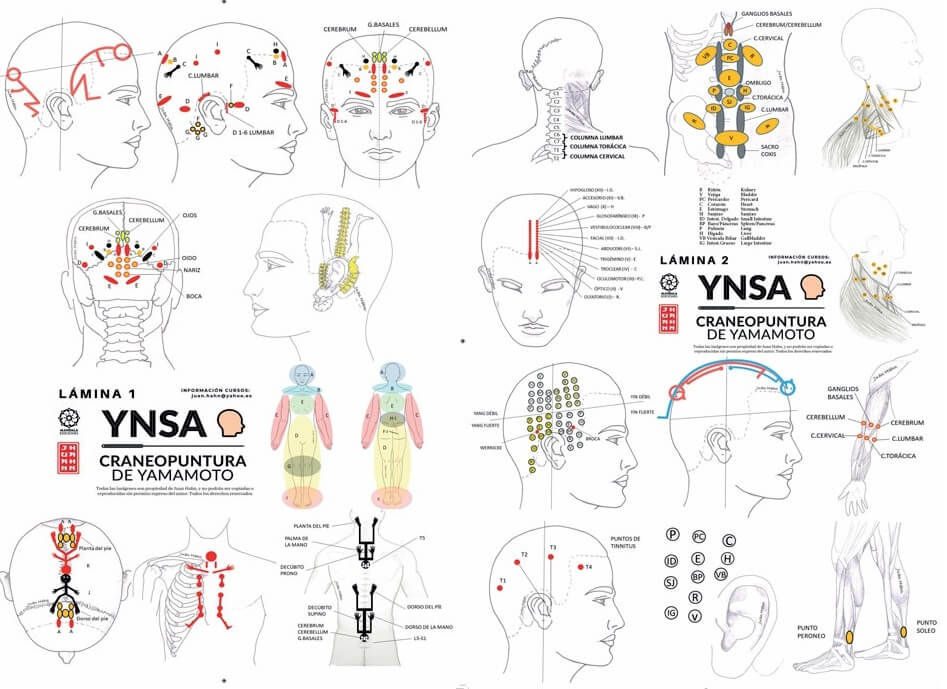
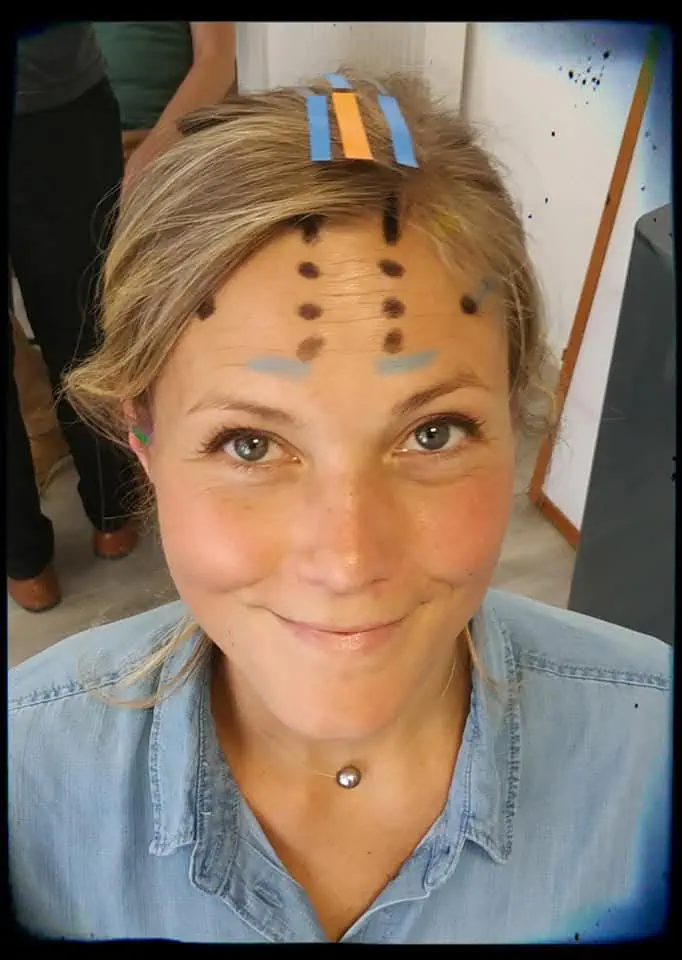
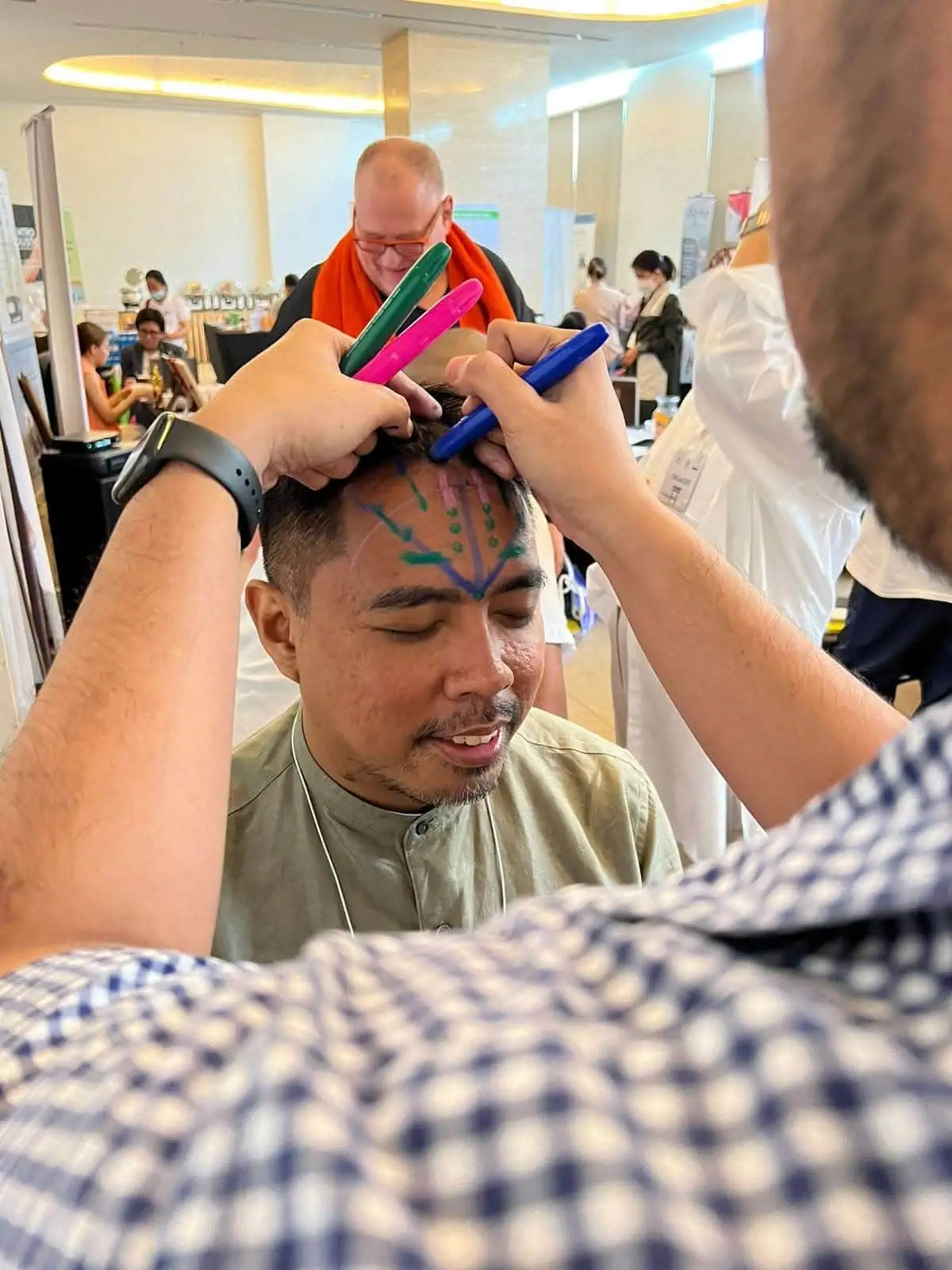
In its early stages, at the beginning of the 1970s, YNSA consisted of a single somatotopy or microsystem—understood as the correspondence between a specific body area and particular regions of the central nervous system, organs, or muscles—located on the forehead and composed of five basic points. Over the years, Dr. Yamamoto discovered numerous additional points as well as new somatotopies, not only on the head but also on other parts of the body. Of particular importance are the proprietary diagnostic microsystems, which give YNSA its unique and exceptional character.
At present, YNSA Yamamoto Scalp Acupuncture is, after auriculotherapy, the most widely practiced microsystem worldwide.
The system has demonstrated high effectiveness in the treatment of acute and chronic pain, as well as in multiple neurological disorders, including post-stroke sequelae, in addition to a wide range of other pathologies.
This is a highly practical course, in which the content is addressed progressively. For me, YNSA is far more than a technique or a system: it is a therapeutic philosophy, born not only from the exceptional intellectual and creative capacity of Dr. Yamamoto, but also from his extraordinary human qualities.
Extensive prior knowledge of Traditional Chinese Medicine is not required. The only essential prerequisite is to attend well rested and with a genuine desire to learn.
YNSA Yamamoto New Scalp Acupuncture includes multiple diagnostic, therapeutic, and diagnostic-therapeutic areas distributed throughout the body, not exclusively on the head. Among the most relevant are the skull, neck, upper and lower limbs, pubic region, and abdomen. The abdominal area was developed from Eastern abdominal acupuncture and specifically adapted to scalp acupuncture.
There is, therefore, a direct correlation between points located in the temporal region of the skull, the neck, and the abdomen.
In traditional Japan, acupuncture was mainly practiced by massage therapists, which resulted in limited social recognition. The effectiveness of this discipline did not begin to be widely acknowledged by the general population and the Japanese medical community until relatively recently, largely due to the tireless work of Dr. Yamamoto.
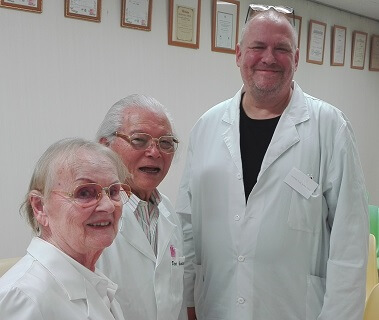
After studying and working abroad for ten years, Dr. Yamamoto returned to Japan in the 1960s together with his wife Helen, a German nurse who accompanied him throughout his professional career.
In addition to being a gynecologist and surgeon, Dr. Yamamoto is an anesthesiologist, a factor that proved decisive at the beginning of his clinical practice in his hometown of Nichinan. There, he treated numerous patients suffering from osteoarticular pain resulting from years of work in the rice fields. He began his practice in a wooden cabin, where he provided gynecology, internal medicine, obstetrics, surgery, and pain treatment through nerve blocks using local anesthetics.
On one occasion, after mistakenly injecting a patient with saline solution only—without the anesthetic component—the patient returned the following day reporting complete disappearance of pain and requesting another injection to ensure the pain would not return. That same evening, Dr. Yamamoto visited a massage therapist who provided him with an old acupuncture book. From that moment on, he continued administering anesthetics and also began using acupuncture needles.
This episode marked the beginning of YNSA Yamamoto Scalp Acupuncture, which is now successfully practiced worldwide by thousands of therapists and has contributed to the improvement of hundreds of thousands of patients.
The wooden cabin soon became insufficient, and thanks to a mortgage guaranteed by his brother, Dr. Yamamoto began building a hospital. There, more than 2,000 surgeries under acupuncture anesthesia were performed, including appendectomies, deliveries, cesarean sections, hysterectomies, repairs of intestinal obstructions, and amputations. Subsequently, he also began treating patients with hemiplegia.

Congratulations! Successfully subscription.
Se produjo un error al intentar enviar tu solicitud. Inténtalo de nuevo.