FORMACIÓN – EDITORIAL

Los servicios formativos ofrecidos en esta web tienen, exclusivamente, fines didácticos como formación no reglada al amparo de la normativa vigente. La formación que se ofrece a través de esta web no conduce a la obtención de ningún título oficial ni faculta a sus alumnos a prestar ningún tipo de servicio sanitario convencional.

Acupuntura de muñecas y tobillos - Artículo Blog- Imagen 1

Wrist and Ankle Acupuncture (WAA): a simple technique with direct clinical application

Over the years in clinical practice, you gradually incorporate different tools.

Some are more complex. Others require more time. And others, like wrist and ankle acupuncture, stand out for the opposite reason: they allow you to intervene in a clear, direct way, without unnecessary complexity.

In my experience, it is a technique worth having in your clinical toolkit. Not because it replaces other methods, but because in many situations it makes the work in consultation much easier.

Its origin is clearly clinical. In the 1960s, Dr. Zhang Xinshu began working with stimulation techniques in neurological patients, progressively refining the method until arriving at a much simpler approach, which was publicly introduced in 1975.
Acupuntura de muñecas y tobillos - Artículo Blog- Imagen 2
Acupuntura de muñecas y tobillos - Artículo Blog- Imagen 3

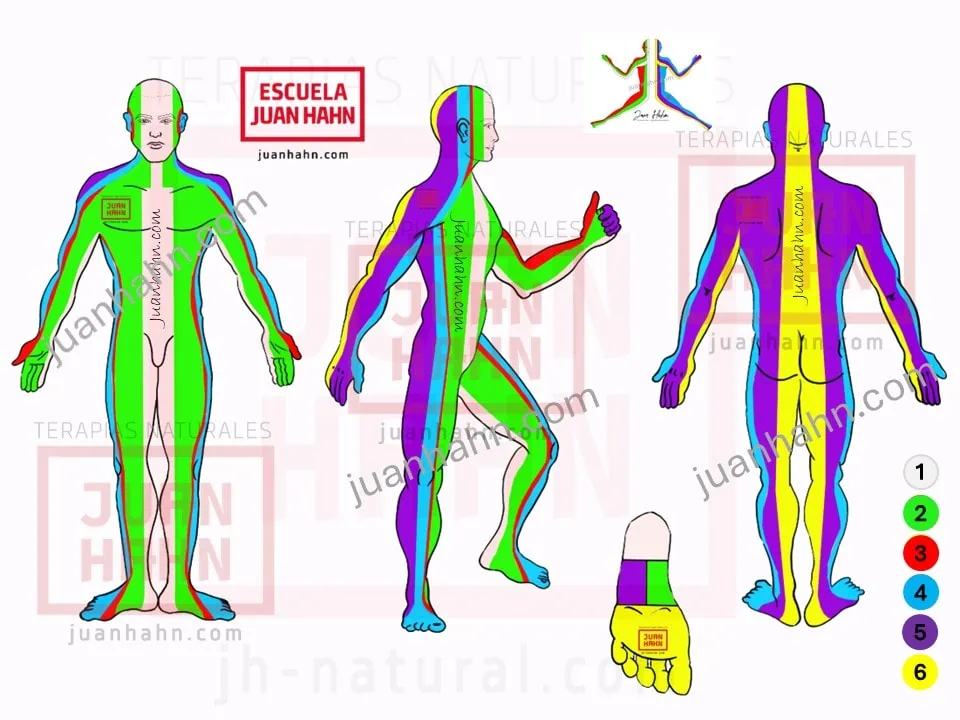
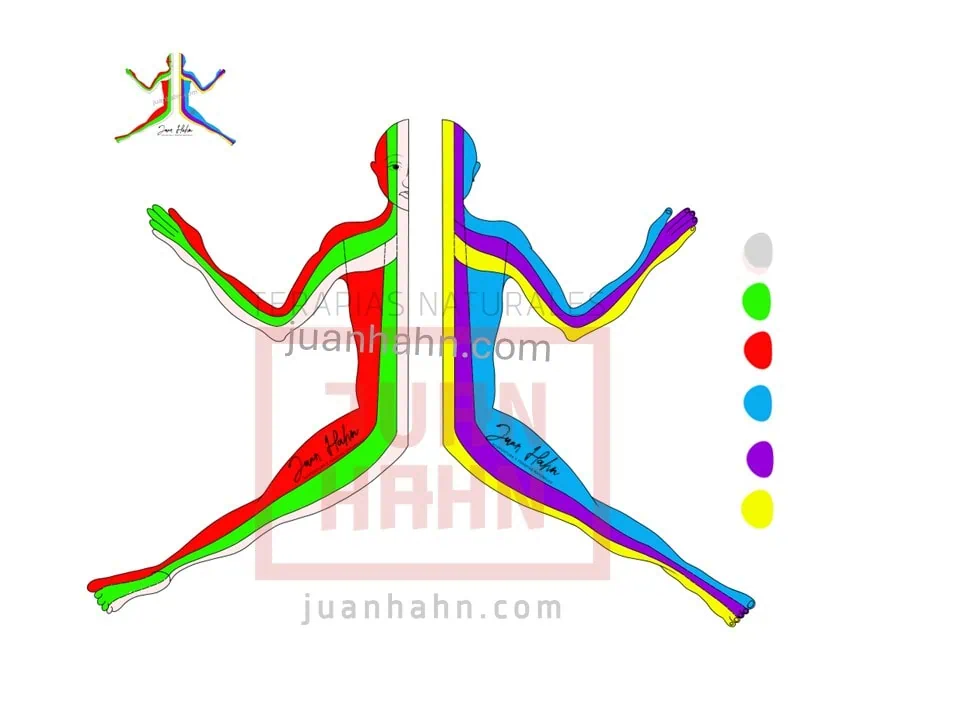
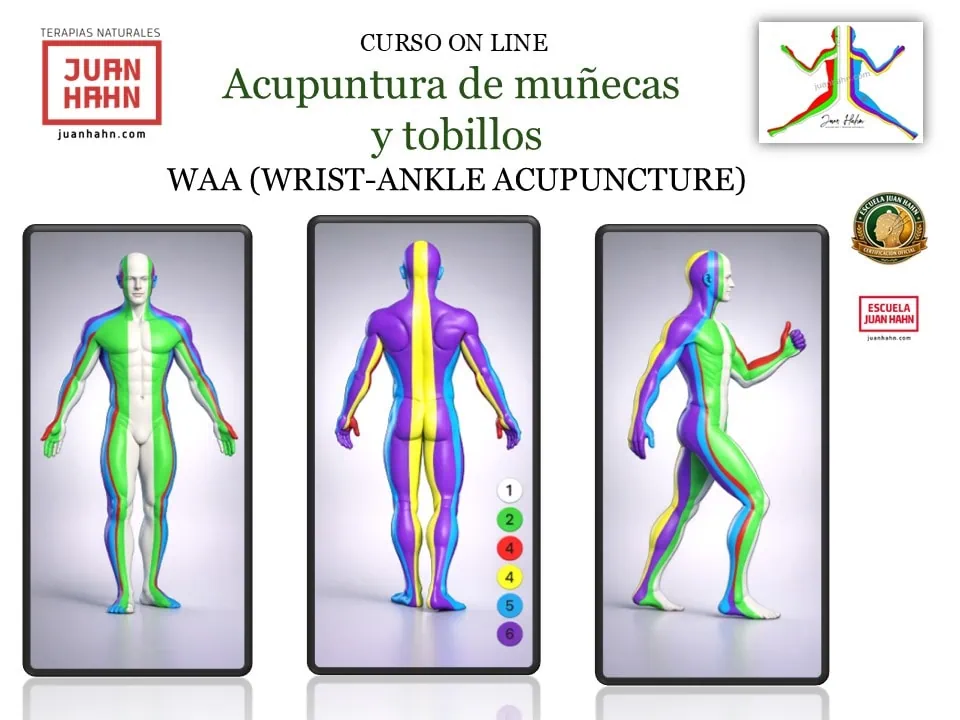
The concept is straightforward: identify the problem, place it within a region, and treat it from the wrist or the ankle. The body is divided into six longitudinal zones, each corresponding to a treatment area.

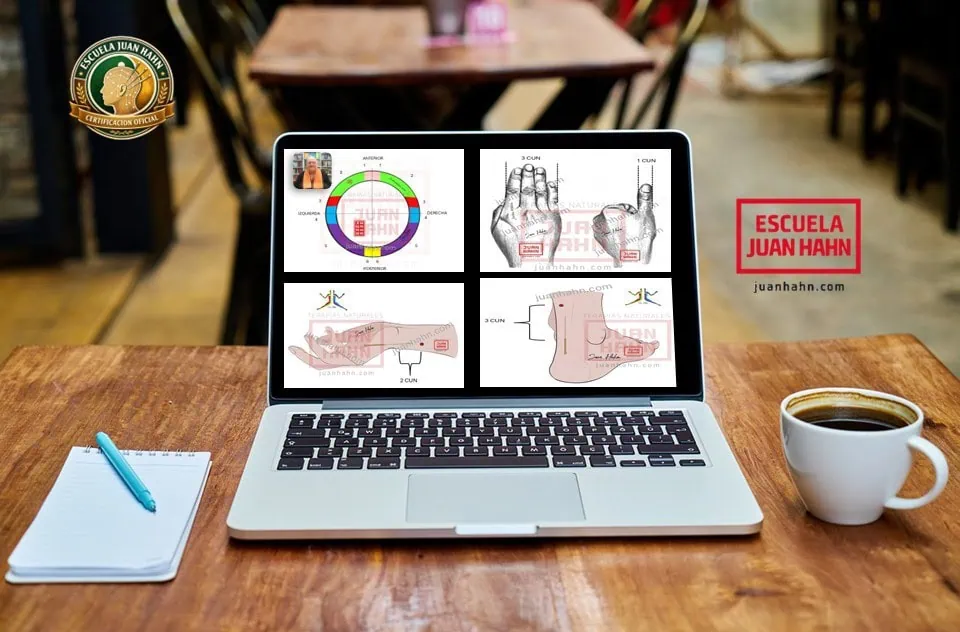
In practice, this translates into something very concrete: few points, easy access, and good patient tolerance. And above all, speed.

It is also a subcutaneous technique, well tolerated by patients, which normally does not require strong needling sensations or complex manipulation to be effective.

It is commonly used for pain, although its application is not limited to this field. Beyond specific indications, what really stands out is how easily it can be integrated into daily clinical work.

It is based on a simple idea: fewer points, better selection.

Acupuntura de muñecas y tobillos - Artículo Blog- Imagen 4
Acupuntura de muñecas y tobillos - Artículo Blog- Imagen 5

If we look at the available evidence, we find studies suggesting significant effectiveness in pain management, with a good safety profile and, in some cases, fewer side effects than medication.

In my case, I use it integrated with other techniques. It does not replace other tools. It adds to them.

In the end, more than the technique itself, what matters is how it is understood and applied.

For this reason, I have developed a training program focused on organizing the method clearly and making it easy to apply in clinical practice, without adding unnecessary complexity.

References

  • Zhang Xinshu. Wrist-Ankle Acupuncture. Shanghai Scientific & Technical Publishers, 1991.
  • Wang SM et al. Wrist-ankle acupuncture for pain management: a systematic review. Evidence-Based Complementary and Alternative Medicine, 2014.
No Comments

Sorry, the comment form is closed at this time.

Subscribe to my newsletter

Congratulations! Successfully subscription.

Se produjo un error al intentar enviar tu solicitud. Inténtalo de nuevo.

Juan Hahn Terapias Naturales will use the information you provide on this form to be in touch with you and to provide updates and marketing.