07 Oct Scalp Acupuncture at the Carabineros Hospital in Santiago, Chile (HOSCAR)
Chile: Integration, Education and Acupuncture with the Patient as the Protagonist
During my fourth series of courses in Chile, I have had the opportunity to enjoy several experiences that reflect an approach to acupuncture that I find particularly interesting: education, regulation and integration within different areas of healthcare, always with the patient as the protagonist.
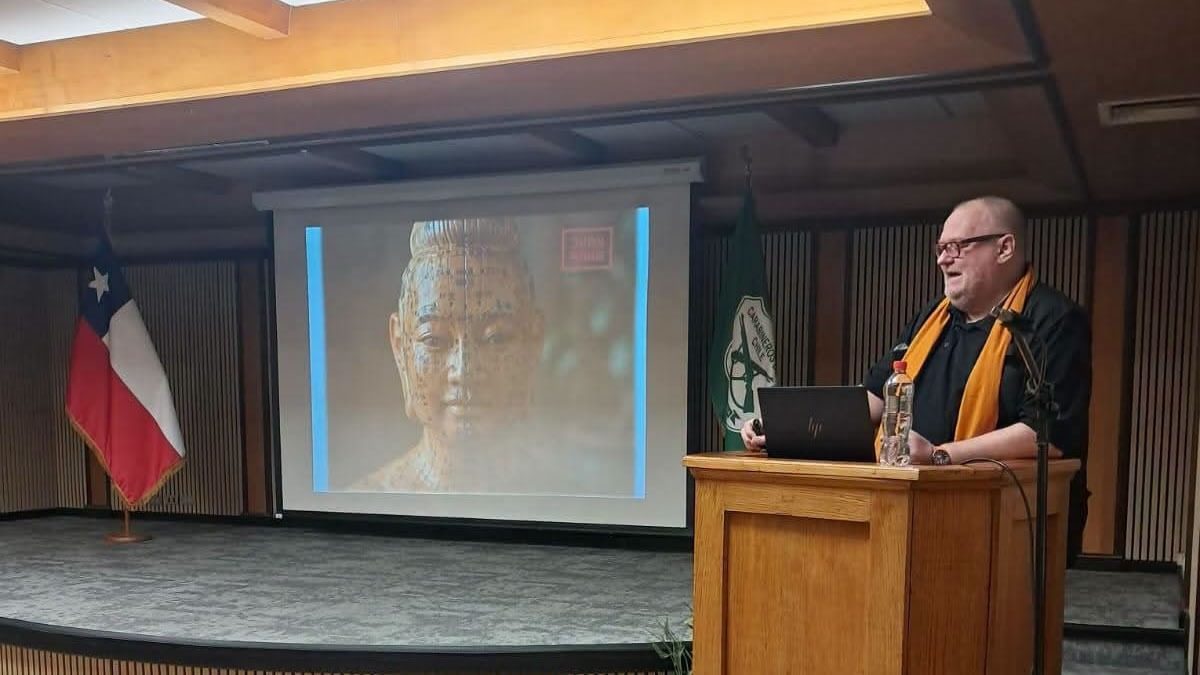
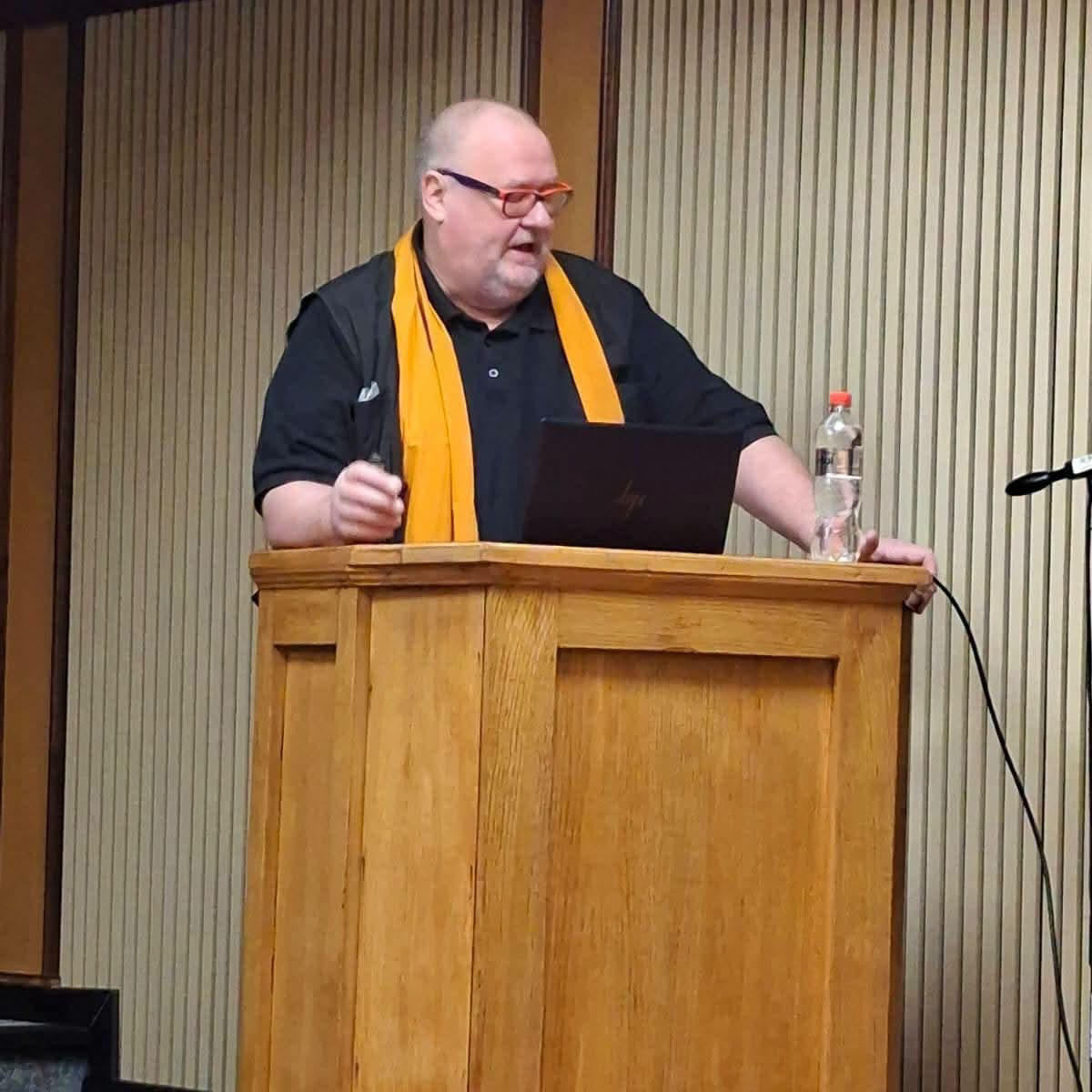
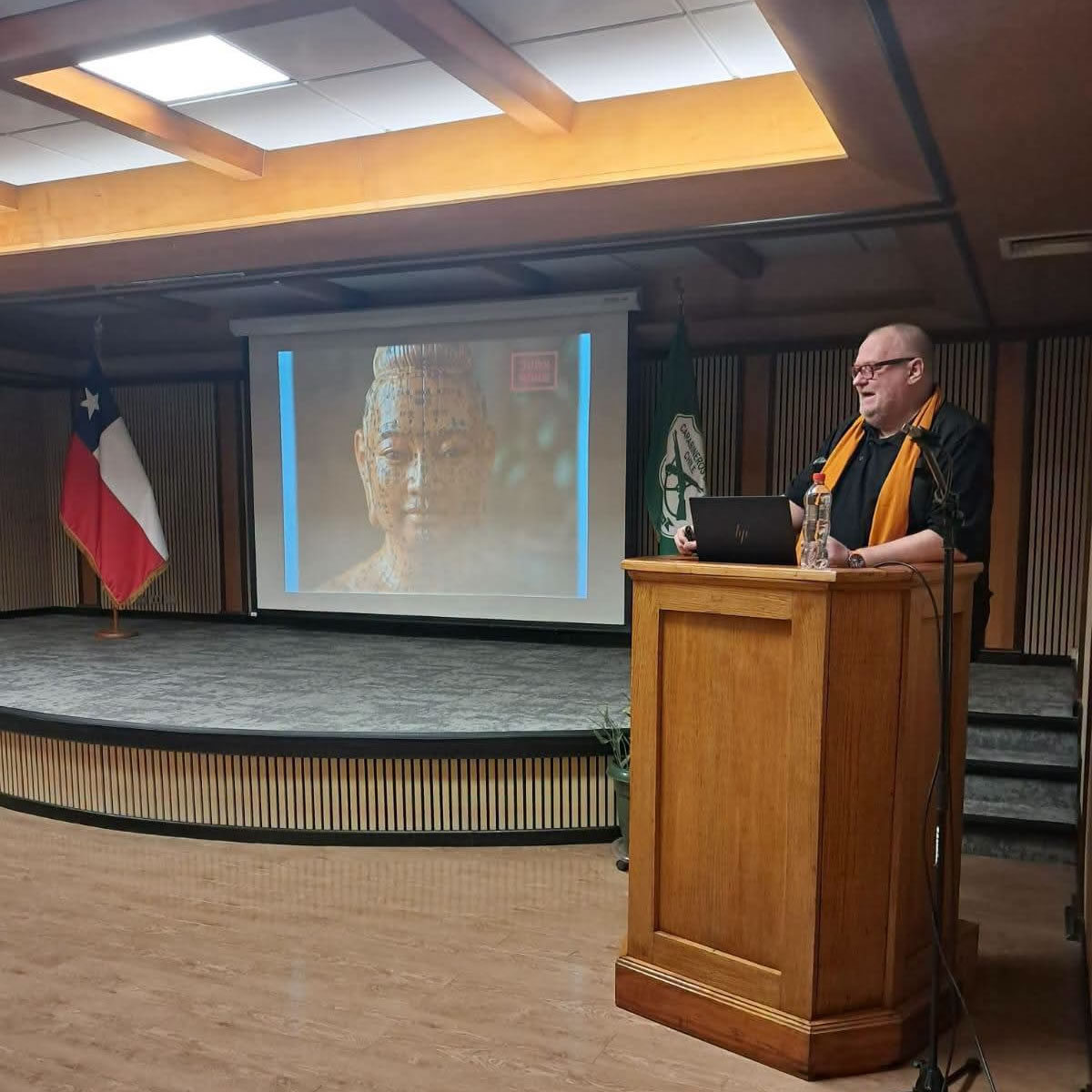
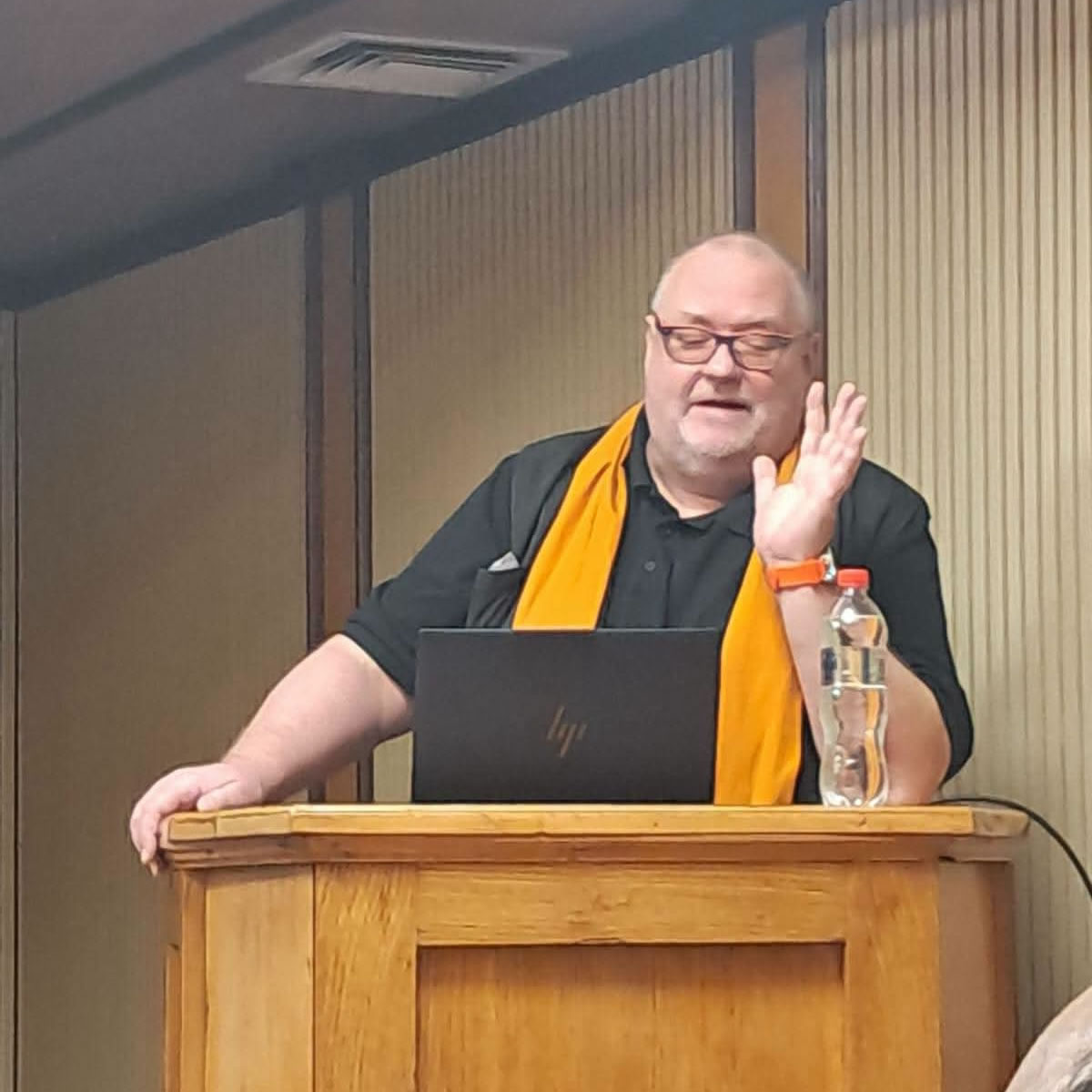
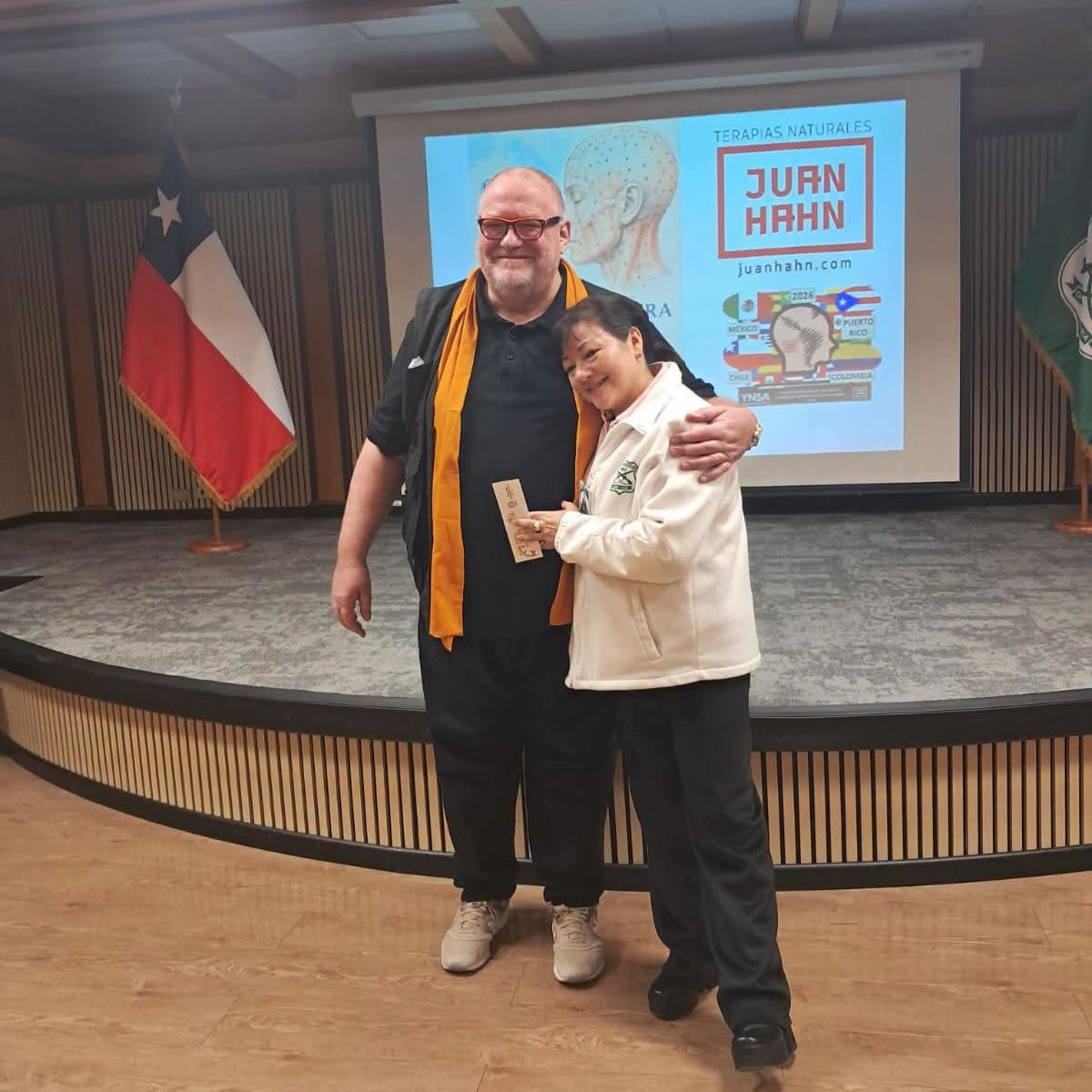
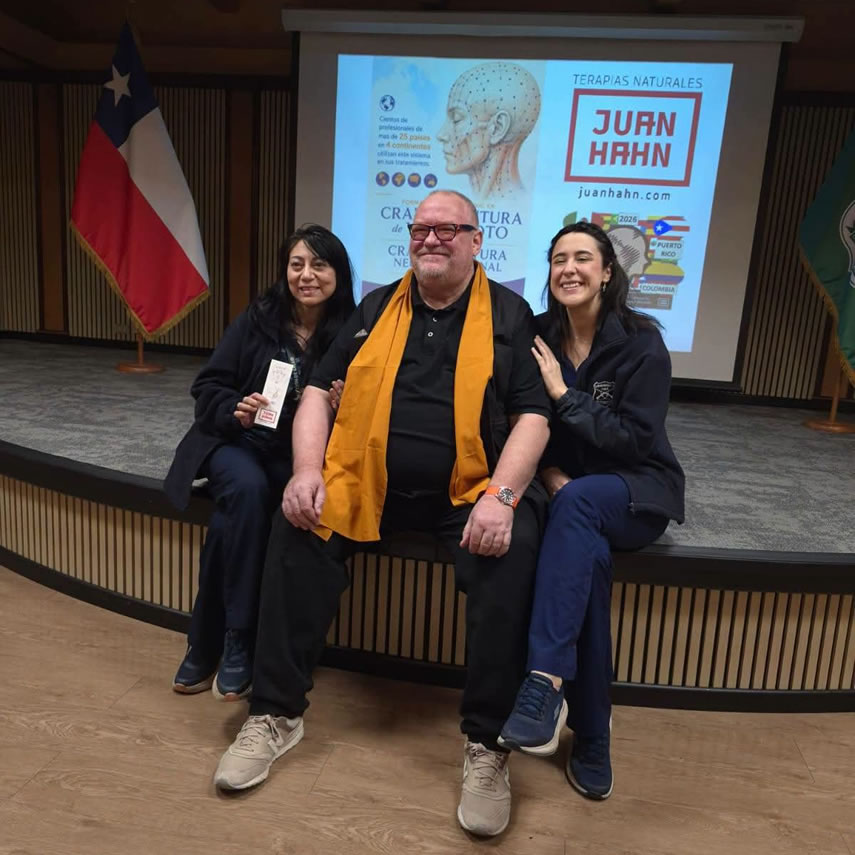
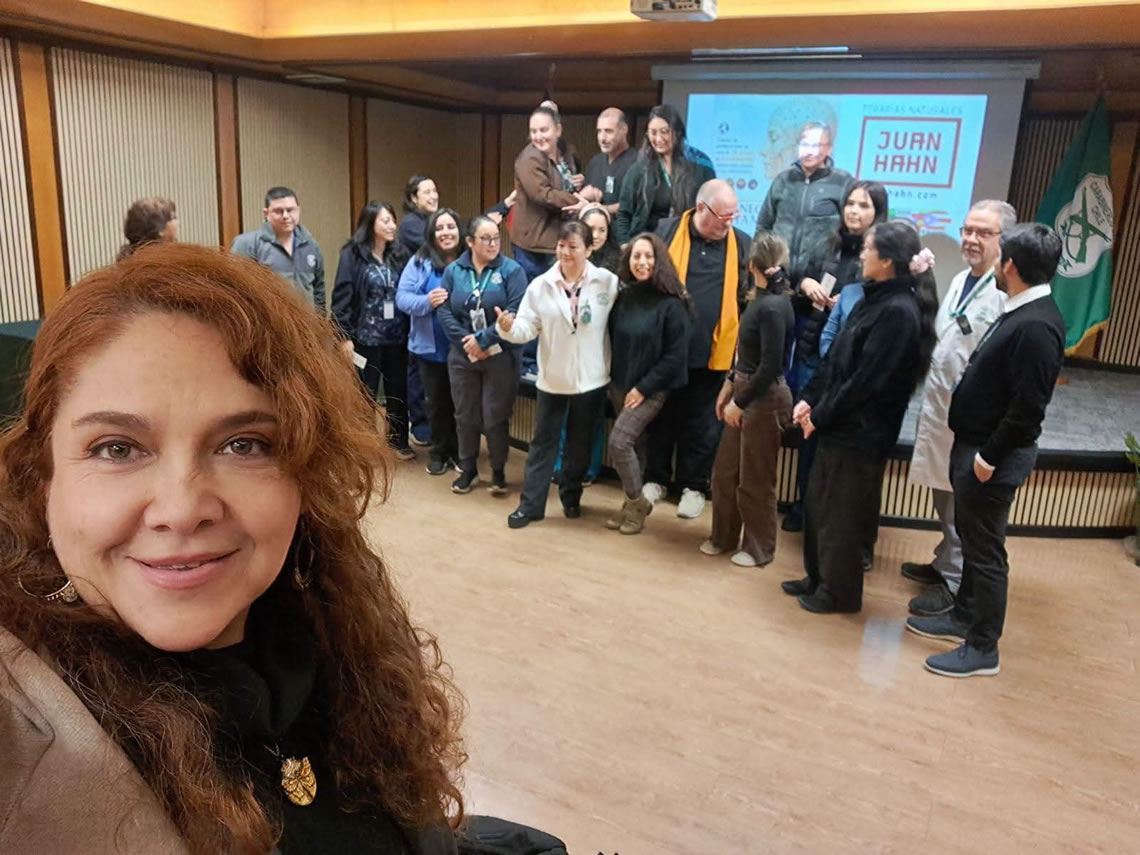
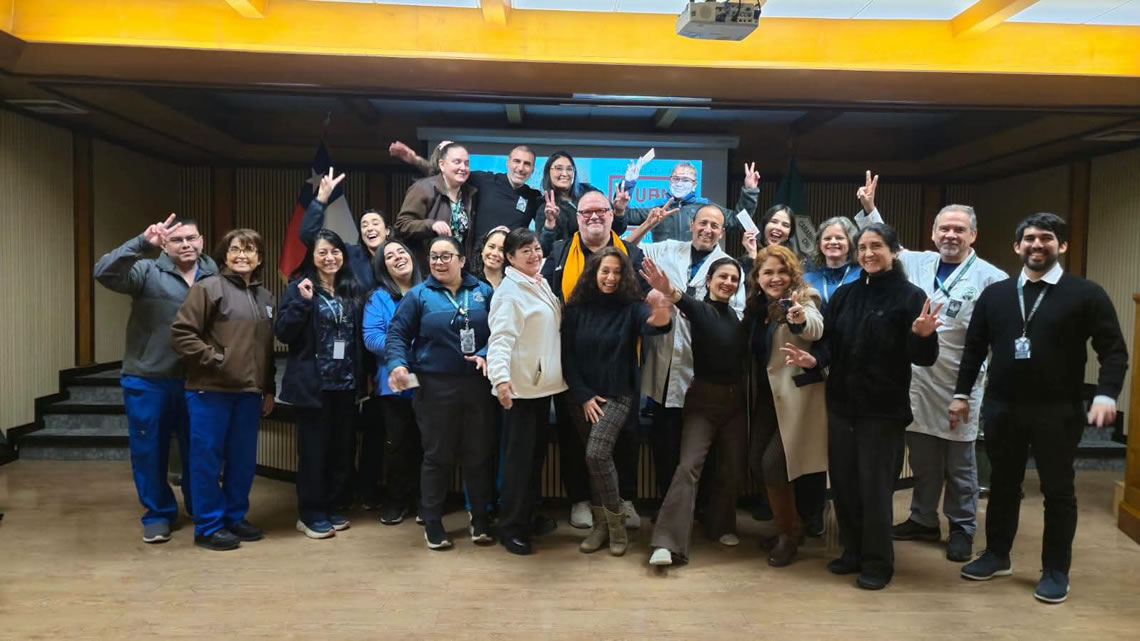
One of these experiences took place at the Carabineros Hospital in Santiago, Chile (HOSCAR), a healthcare institution serving Carabineros de Chile, Chile’s national police force, where I had the privilege of giving a lecture on scalp acupuncture to a very well-attended audience.
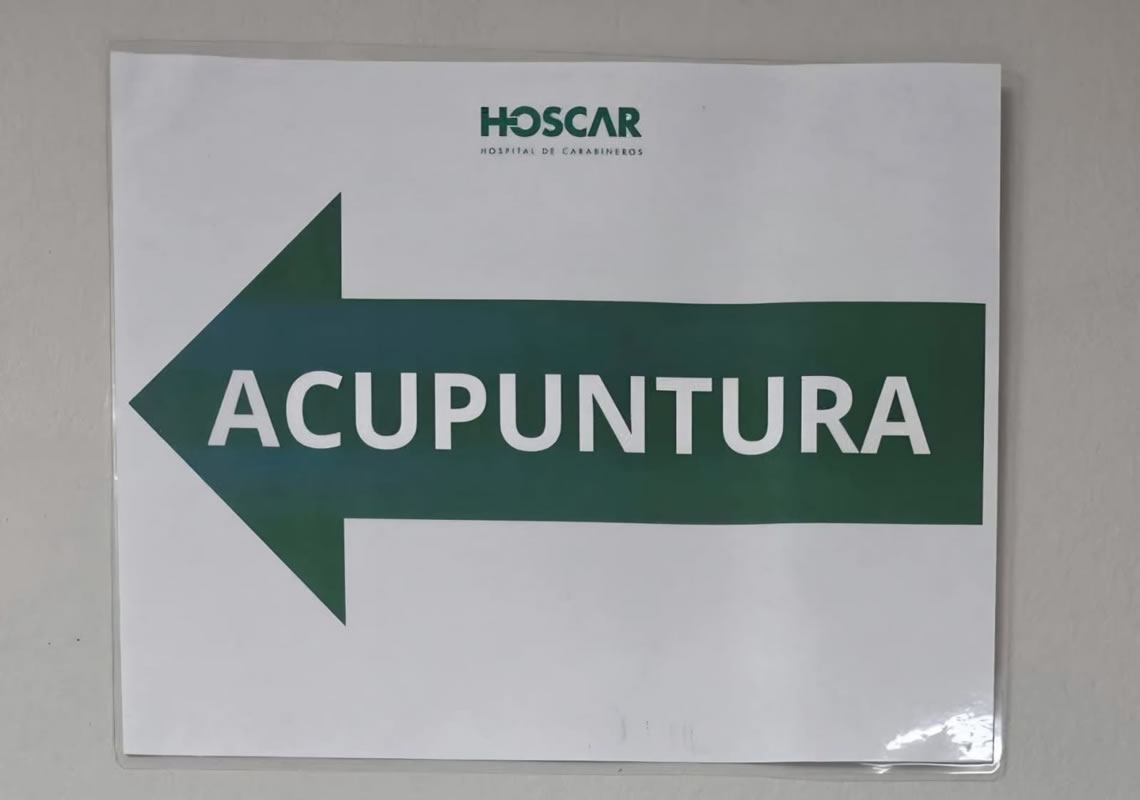
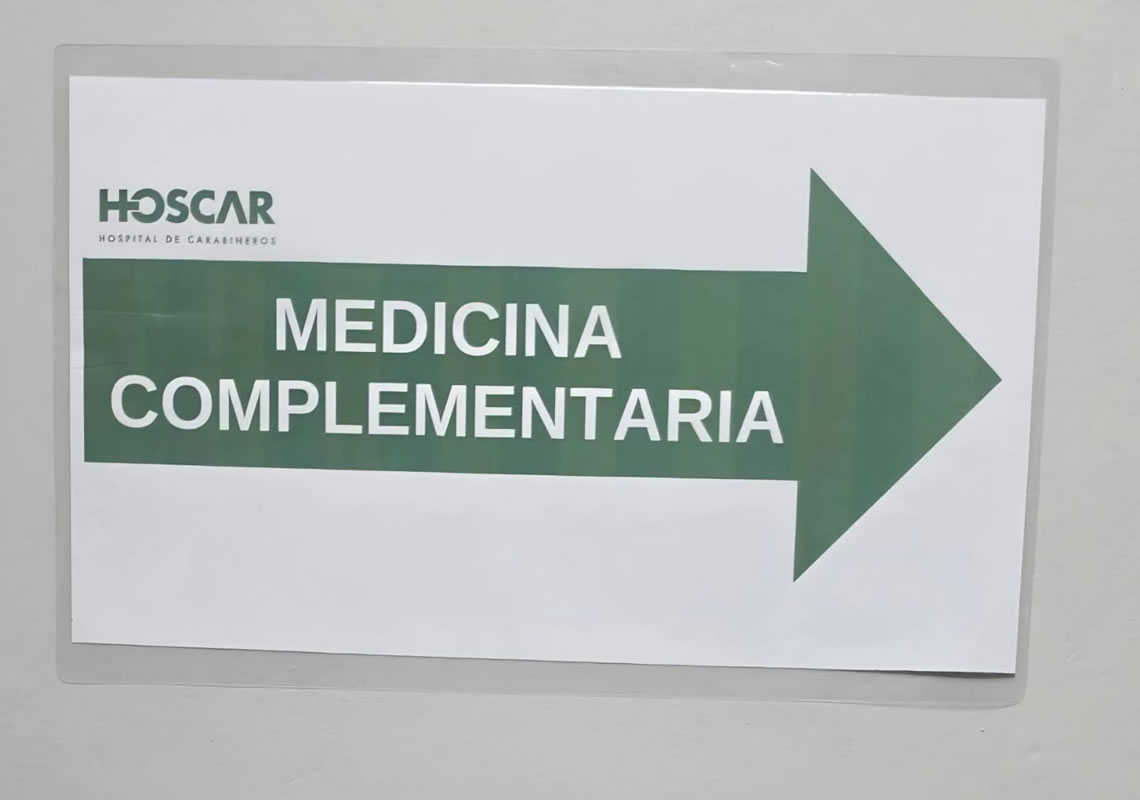
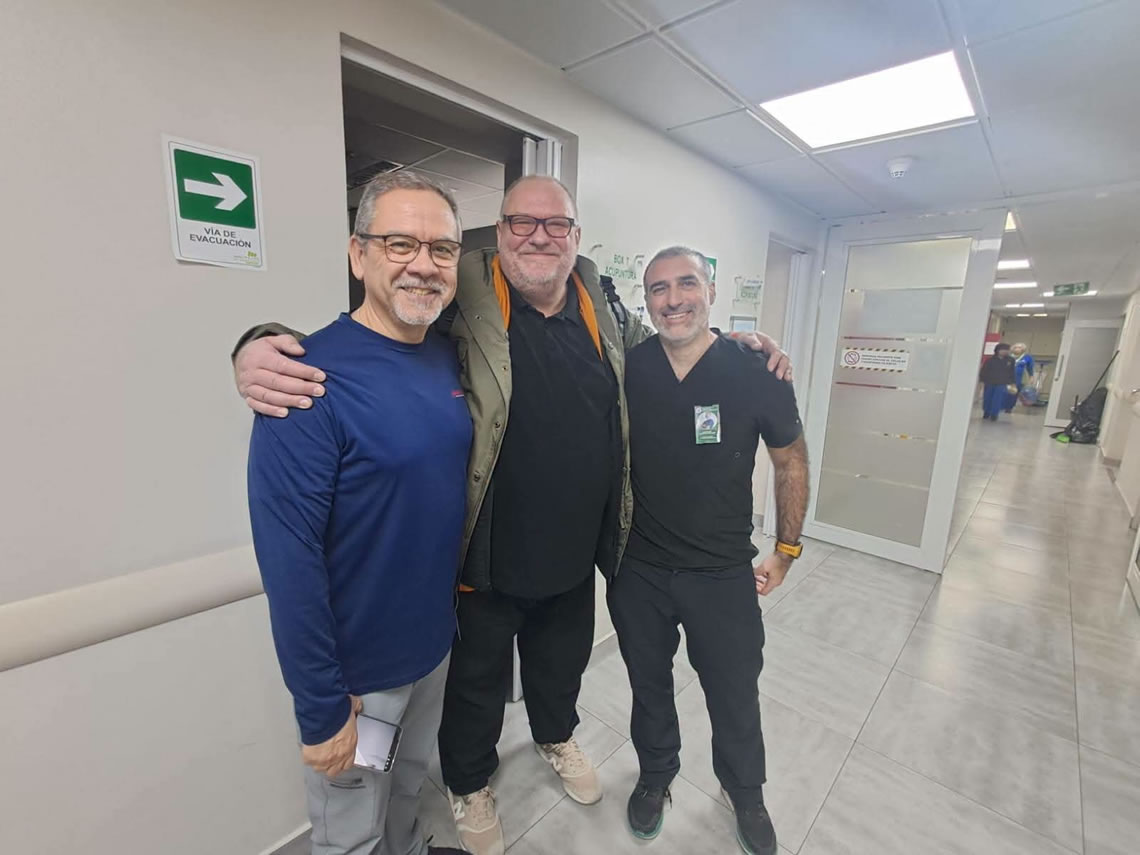
Following the lecture, I had the opportunity to visit the hospital’s Complementary Medicine Unit, tour its facilities and treatment rooms, and spend time with the professionals who work there.
A Model Worth Knowing About
In this respect, Chile offers a reality that I believe deserves attention. Acupuncture is regulated by the Ministry of Health, and accredited professionals practise not only privately, but also within hospitals, medical centres and other healthcare settings.
I believe this kind of integration represents an opportunity to add rather than subtract.
It is not about setting disciplines against one another, nor about replacing one therapeutic approach with another. It is about encouraging collaboration and broadening the possibilities of care within a regulated and professional framework, always seeking what may be most beneficial for the patient.
This is not the first time I have encountered this type of experience during my travels. In Mexico, for example, I had the opportunity to learn about the work of Dr. Consuelo García at a public hospital in Ecatepec, where acupuncture is involved in interdisciplinary consultations with departments such as neonatology and endocrinology.
These are experiences worth knowing about, and they demonstrate that different forms of collaboration can successfully find their place within healthcare systems.
A Warm Welcome for Which I Am Truly Grateful
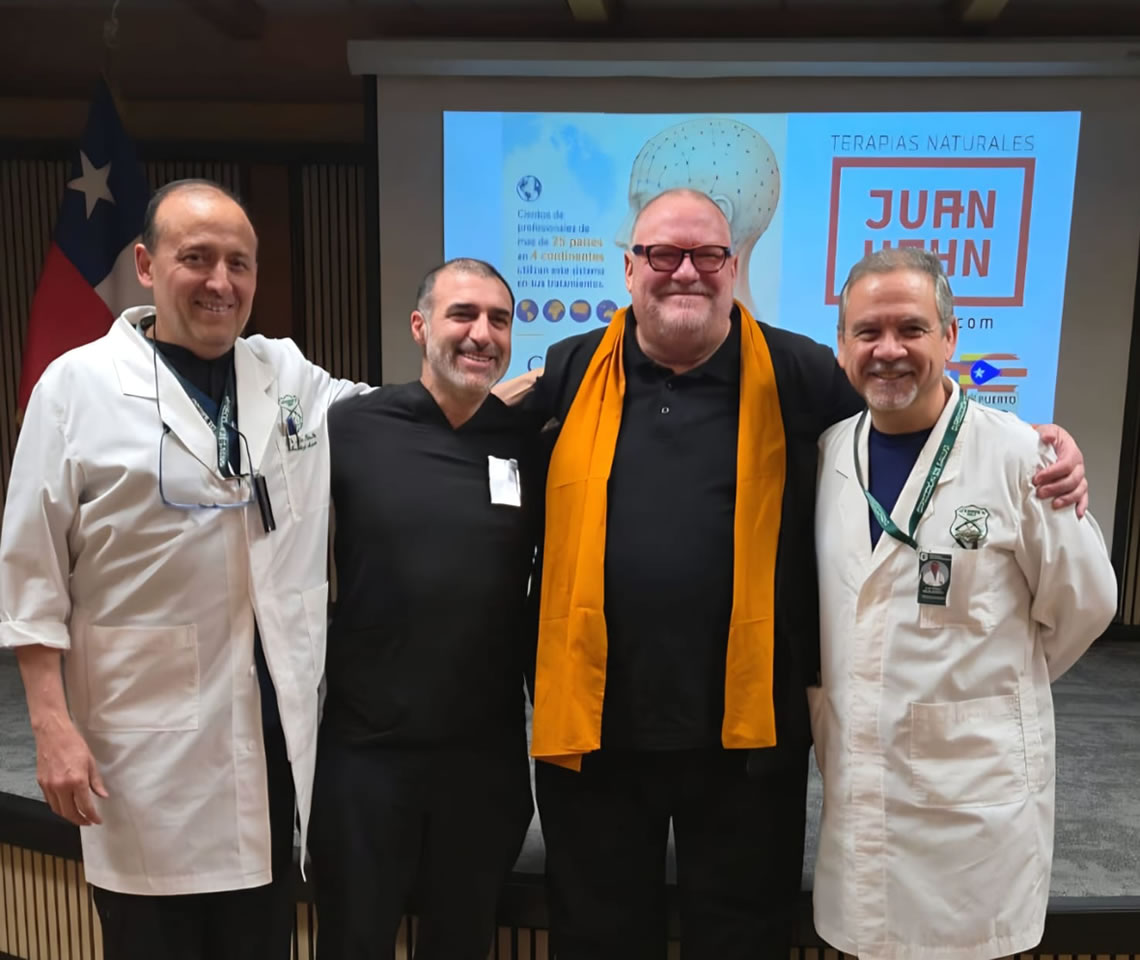
I would like to express my sincere gratitude for the extraordinary welcome I received from the professionals at the Carabineros Hospital and its Complementary Medicine Unit.
I would particularly like to thank Dr. Álex Flores, Head of the Department and one of the driving forces behind this project; Dr. Lillian Arias; and Juan Carlos Bravo, who also showed his interest and kindness by attending my recent YNSA course.
My gratitude extends equally to all those at the hospital whose names I cannot include here, but who attended the lecture, shared their work with me and made me feel so genuinely welcome.
From the Carabineros Hospital to the University of Chile
This fourth series of courses has also given me the opportunity to enjoy another particularly significant experience: teaching, together with Dr. Juan Carlos Salinas, the first edition of my Scalp Acupuncture for Dentists course at the Faculty of Dentistry of the University of Chile.
This first edition was especially meaningful because it formed part of the activities commemorating the 10th anniversary of CIADS, the Integrative Clinic for Pain Relief and Sleep at the Faculty of Dentistry of the University of Chile.
Being able to provide this kind of training at a university of enormous prestige, not only in Latin America but internationally, and to do so specifically for the field of dentistry and within the framework of this anniversary, has been another of the highlights of this trip for me.
Hospital and university. Patient care, education and integration.
Two different experiences that demonstrate that there are ways to move forward professionally, encourage collaboration between disciplines and continue advancing the responsible integration of acupuncture wherever it can make a valuable contribution.
After so many years travelling and teaching in numerous countries, I remain convinced of the importance of observing what is being done elsewhere, learning from good initiatives and sharing experiences.
Because ultimately, this is not about defending one discipline against another.
It is about working together, doing things well and always remembering who should be the true protagonist: the patient.
Finally, I would also like to thank Paula Barrios, Dr. José Miguel Zambrano, Ximena, Denise and Paola Gaete, as well as the many other people who are helping to make this fourth series of courses in Chile possible.
Sorry, the comment form is closed at this time.